What Causes Gout? (Quick Answer Section)
Gout is mainly caused by elevated uric acid levels in the blood, leading to crystal buildup inside the joints.
Common causes and triggers include:
- Diets high in red meat and seafood
- Alcohol consumption
- Obesity
- Dehydration
- Kidney problems
- Certain medications
- Genetics and family history
How Gout Develops
Uric acid is a waste product created when the body breaks down substances called purines. The kidneys normally remove it through urine.
However, when uric acid accumulates either because the kidneys do not excrete it properly or due to excessive consumption of purine-rich foods, it can form needle-shaped crystals that deposit in the joints, causing sudden and intense pain, swelling, and inflammation.
Common Causes of High Uric Acid Levels
Diet and Food Choices
Certain foods contain high amounts of purines, increasing uric acid production. Common triggers include:
- Red meat
- Organ meats
- Certain types of seafood
- Sugary drinks
Alcohol Consumption
Alcohol, including beer, wine, and spirits, can affect kidney function and reduce the body’s ability to eliminate uric acid efficiently.
Obesity and Excess Weight
Excess body weight can increase uric acid production and make it more difficult for the body to remove it.
Kidney Function Problems
When kidney function declines, the body struggles to remove excess uric acid efficiently, increasing the risk of gout.
Medications
Certain medications may increase gout risk, including:
- Diuretics
- Some blood pressure medications
Risk Factors for Gout
Several factors increase the likelihood of developing gout:
- Family history
- Age and gender
- High blood pressure
- Diabetes
- Metabolic syndrome
Men, postmenopausal women, and older adults are generally at higher risk.
Common Symptoms of Gout
Typical symptoms include:
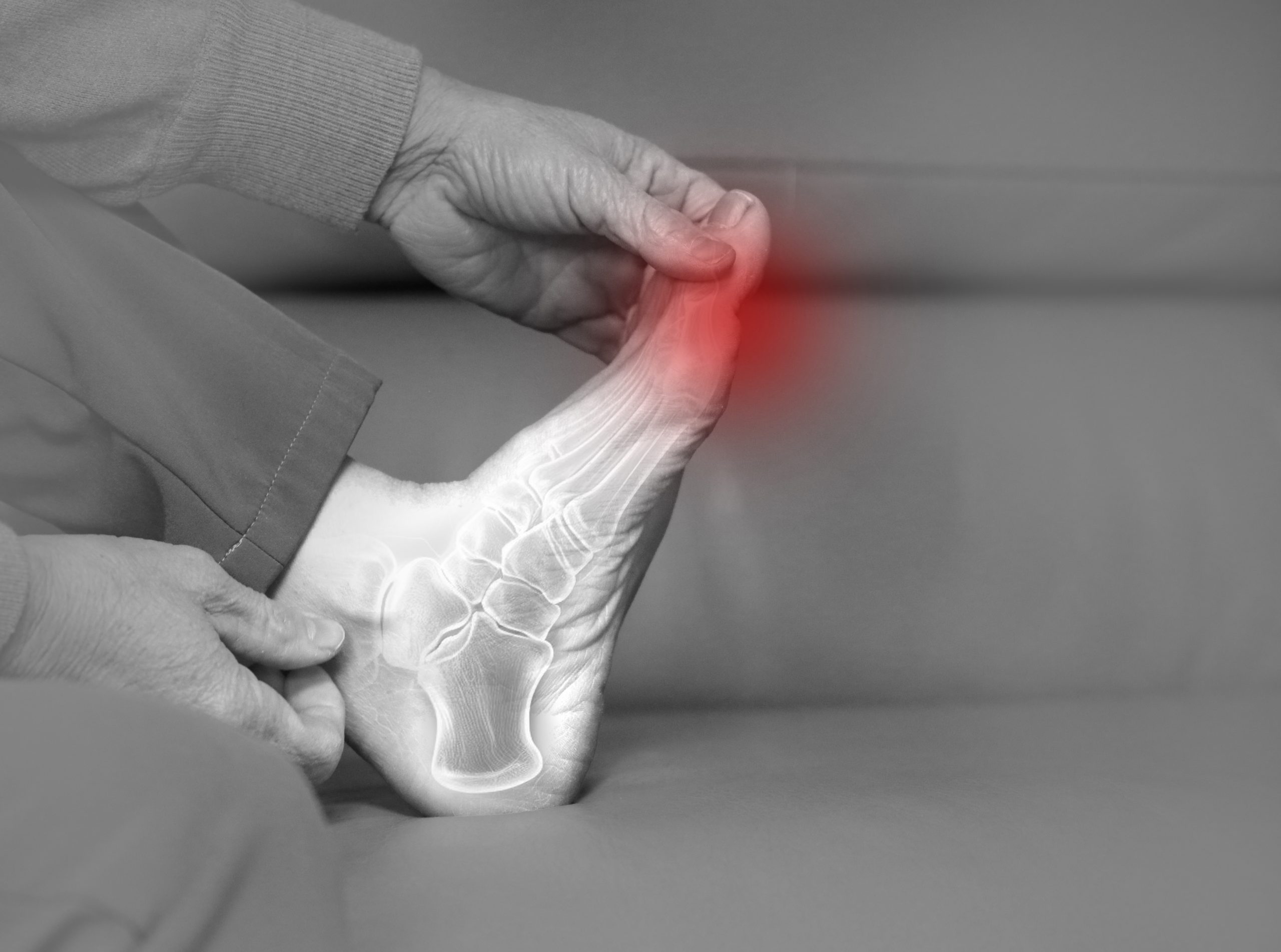
- Sudden severe joint pain
- Swelling and redness
- Warmth around the affected joint
- Most commonly affecting the big toe
Symptoms often begin suddenly, especially at night.
When Should You See a Doctor?
Medical evaluation is recommended if:
- You have symptoms of gout for the first time.
- You have gout and your usual treatments are not helping.
How to Prevent Gout Flare-Ups
- If you are overweight, aim to lose weight gradually and avoid crash diets.
- Follow a healthy diet and limit foods that may trigger gout.
- Have several alcohol-free days each week and avoid excessive alcohol consumption.
- Stay hydrated by drinking plenty of fluids.
- Exercise regularly while avoiding activities that place excessive stress on affected joints.
- Quit smoking if you smoke.
- Consult your doctor about whether vitamin C supplementation may be beneficial.
Conclusion
Gout is strongly linked to elevated uric acid levels, but diet, lifestyle habits, medications, and underlying health conditions also contribute significantly. Early diagnosis and proper management can help prevent painful flare-ups and long-term joint damage.
Frequently Asked Questions (FAQ)
What is the main cause of gout?
The primary cause of gout is high uric acid levels, which lead to crystal buildup inside the joints.
What foods commonly trigger gout?
Red meat, seafood, sugary drinks, and alcohol are among the most common gout triggers.
Can gout be prevented?
Yes. Lifestyle modifications, a healthy diet, proper hydration, weight management, and medical treatment can help prevent gout attacks.