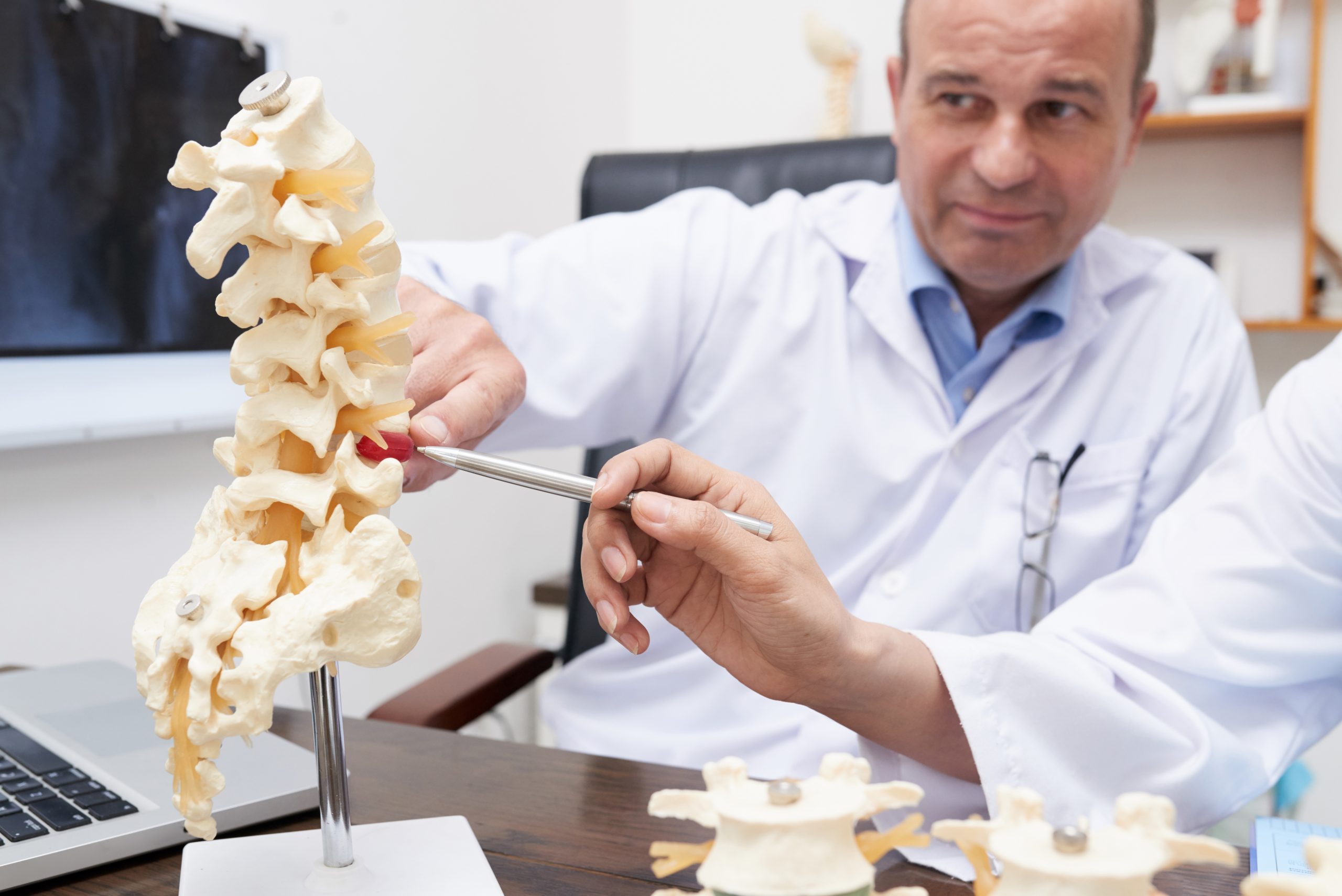
The Pulmonology Department at Al Zahra Hospital Dubai evaluates and manages conditions affecting the lungs, airways, breathing and sleep-related respiration. The department’s published scope includes asthma, chronic obstructive pulmonary disease, chest infections, bronchiectasis, pulmonary fibrosis, pulmonary hypertension, lung cancer assessment, tuberculosis, fungal respiratory disease and smoking cessation support. Care may include a clinical consultation, lung function testing, overnight oxygen monitoring, bronchoscopy or other investigations selected for the patient’s symptoms and medical history. A consultation does not automatically lead to an invasive procedure. The pulmonology team reviews the available information and recommends the appropriate next step.
Which conditions does the Pulmonology Department assess and treat?
Asthma and airway allergies
The department assesses adults and children with suspected or established asthma, recurrent wheezing, chest tightness and breathing symptoms linked to environmental or food allergens. Services published by the hospital include asthma education and management, inhalation therapy, allergy screening and desensitisation testing. The clinician should confirm whether allergy testing or immunotherapy is appropriate for the individual patient.
COPD and smoking-related lung disease
Patients with chronic obstructive pulmonary disease may need symptom assessment, lung function testing, inhaler review, oxygen evaluation and support to stop smoking. Treatment is based on disease severity, exacerbation history, other medical conditions and the patient’s response to current therapy.
Chronic cough, chest infections and bronchiectasis
A cough that persists, repeated chest infections or unexplained sputum production may require respiratory assessment. The department evaluates pneumonia and other respiratory infections, bronchiectasis, tuberculosis and fungal respiratory disease. Testing depends on the clinical picture and may include imaging, sputum studies, lung function testing or bronchoscopy.
Pulmonary fibrosis and pulmonary hypertension
Pulmonary fibrosis and pulmonary hypertension can cause progressive breathlessness, reduced exercise tolerance and fatigue. Assessment may involve lung function measurements, oxygen evaluation, imaging review and coordination with other specialties when heart, autoimmune or systemic conditions may be involved.
Lung cancer assessment
The department supports the timely assessment and management of suspected lung cancer. The care pathway may include review of chest imaging, bronchoscopy, sampling procedures and referral into a multidisciplinary treatment plan. The exact investigation depends on the location of the abnormality, the patient’s condition and prior test results.
What respiratory tests and procedures are available?
Pulmonary function tests
Pulmonary function testing measures how well the lungs move air and exchange gases. The published service scope includes lung volumes and capacities, carbon monoxide diffusion testing and body plethysmography. Results are interpreted alongside symptoms, examination findings and imaging rather than in isolation.
Bronchoscopy
Bronchoscopy allows the respiratory specialist to examine the airways and, when clinically indicated, collect samples. Published procedures include lavage, brushing and biopsy techniques. The team should explain preparation, sedation, expected recovery and the specific reason for the procedure before consent.
Pleural fluid aspiration
Pleural aspiration may be used to investigate or relieve fluid around the lung. The purpose, benefits and risks depend on whether the procedure is diagnostic, therapeutic or both.
Oxygen and non-invasive ventilation
The department evaluates patients who may need oxygen therapy or non-invasive ventilatory support. CPAP and BiPAP provide different types of pressure support and are selected according to the diagnosed condition and clinical assessment.
How are sleep-related breathing disorders assessed?
The department evaluates snoring, suspected obstructive sleep apnoea, daytime sleepiness and fatigue, insomnia, restless legs syndrome, narcolepsy, parasomnias and circadian rhythm disorders. Published services include overnight pulse oximetry and assessment for CPAP, BiPAP or alternative treatment pathways when appropriate. Snoring alone does not confirm sleep apnoea. The clinician considers symptoms, medical history, examination and the appropriate sleep investigation before recommending treatment. Insurance coverage for sleep testing and devices should be confirmed directly with the insurer and hospital before the service is arranged.
When should you book a respiratory assessment?
Consider an appointment for persistent cough, recurrent chest infections, wheezing, unexplained breathlessness, reduced exercise tolerance, abnormal chest imaging, suspected sleep apnoea or difficulty controlling a known respiratory condition. Bring previous imaging, test reports, medication and inhaler lists, and relevant discharge summaries when available.
Seek urgent medical care for severe or rapidly worsening breathlessness, blue or grey lips, chest pain, confusion, coughing blood, fainting or a serious asthma attack that does not improve with the prescribed rescue plan.
Frequently asked questions about Pulmonology
What does a pulmonology department treat?
Pulmonology covers conditions of the lungs, airways and breathing. AZHD’s published services include asthma, COPD, infections, bronchiectasis, pulmonary fibrosis, pulmonary hypertension, suspected lung cancer, sleep-related breathing disorders and smoking cessation support.
What can a pulmonary function test show?
The test can measure airflow, lung volumes and gas transfer. The pattern may help the clinician assess obstructive or restrictive breathing problems, but diagnosis depends on the full clinical evaluation.
Does every patient with suspected sleep apnoea need CPAP?
No. Treatment depends on the diagnosis, severity, symptoms, other health conditions and sleep assessment. CPAP may be appropriate for some patients, while others may need a different form of pressure support or another treatment pathway.
When might bronchoscopy be recommended?
Bronchoscopy may be considered when the team needs to inspect the airways, investigate an abnormal scan, collect samples or assess persistent respiratory symptoms. The indication and sampling method are determined for each patient.
Can the department help with smoking cessation?
Yes. Smoking cessation education and support are included in the department’s published services. The clinician can discuss an appropriate plan and any relevant medical treatment.
Book a Pulmonology appointment
Request an appointment with the Pulmonology team at Al Zahra Hospital Dubai for assessment of respiratory symptoms, lung conditions or sleep-related breathing concerns. The hospital should verify service availability, insurance approval and any preparation instructions when confirming the appointment.