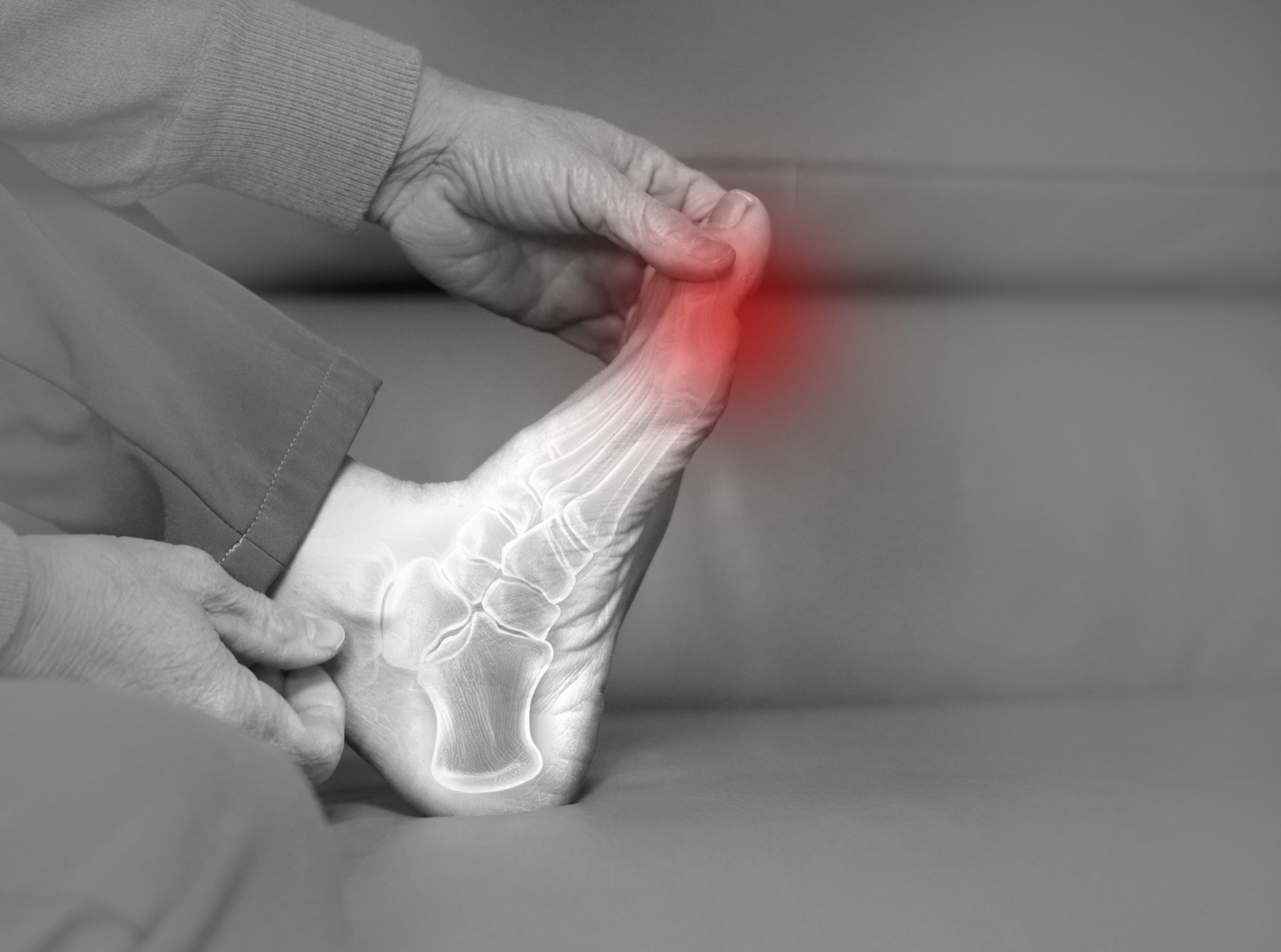
Rheumatoid arthritis (RA) is a chronic autoimmune disease that primarily affects the joints. Early diagnosis and treatment can help reduce symptoms, prevent joint damage, and improve quality of life.1
What Is Rheumatoid Arthritis?
Rheumatoid arthritis is an autoimmune condition in which the immune system mistakenly attacks healthy joint tissues, causing inflammation, pain, and swelling.1
Key facts about RA:1
- Symptoms often occur on both sides of the body
- It can affect more than just the joints
- Early treatment helps slow disease progression
How Rheumatoid Arthritis Affects the Body
Rheumatoid arthritis is an autoimmune disease. This means your immune system (which usually fights infection) attacks the cells that line your joints by mistake, making the joints swollen, stiff, and painful. Over time, this can damage the joints, cartilage and nearby bone.2
How inflammation develops in the joints:3,4
Rheumatoid arthritis (RA) is an autoimmune disease where the immune system mistakenly attacks the joint lining (synovium), causing chronic inflammation. This leads to pain, swelling, warmth, stiffness, and tenderness. Over time, the inflamed synovium forms pannus; an abnormal tissue that invades and damages nearby cartilage and bone.
Common Symptoms of Rheumatoid Arthritis
Symptoms of rheumatoid arthritis may include:1
- Joint pain or stiffness when moving. This is usually worse in the morning or after inactivity.
- Joint tenderness, redness, and warmth.
- Joint swelling may make daily activities hard.
- Fatigue, fever, and a loss of appetite.
- Hard bumps (rheumatoid nodules) under the skin near the joints.
What Causes Rheumatoid Arthritis?
No one knows what causes rheumatoid arthritis. A few things that might play a part in getting RA include:1
- Your genes but not everyone with these genes gets RA.
- The environment, which includes things such as cigarette smoke, sometimes triggers RA symptoms.
- Hormones; especially in women. RA symptoms may change during and after pregnancy.
Who Is Most at Risk?
Rheumatoid arthritis can happen at any age, but your risk increases as you become an older adult. Your chance of developing RA can also increase if:1
- Women are more likely to get RA than men.
- You have a family history.
- You’re a smoker. Smoking over a long period of time increases your risk of getting RA and how serious the disease can be.
- Obesity, gum disease, and lung disease may increase your risk of getting RA.
Rheumatoid Arthritis vs Osteoarthritis
Rheumatoid Arthritis
- Autoimmune disease
- Causes systemic inflammation
- Often affects joints symmetrically
Osteoarthritis
- Degenerative joint disease
- Related to wear and tear
- Usually affects specific joints over time
How Rheumatoid Arthritis Is Diagnosed
Because many conditions cause joint stiffness and swelling, and there’s no single test that can confirm RA. The doctor will examine your joints and ask about your symptoms, then refer you to a rheumatologist.
What tests are done?
Blood tests check for inflammation (ESR and CRP) and anemia, which is common in RA. They also look for antibodies like rheumatoid factor and anti-CCP. While these can be helpful clues, no single test is proof on its own some healthy people test positive, and not everyone with RA has these antibodies.
Are there other tests?
X-rays and MRI scans check for joint inflammation and damage, helping doctors tell RA apart from other conditions.
How Rheumatoid Arthritis treated?
There’s no cure yet, but treatment can reduce pain, protect joints, and improve quality of life, but main treatments are pain relievers and DMARDs, which suppress the immune system and slow joint damage.
For joints that are severely damaged despite medical therapy, surgical procedures like joint replacement may be considered to restore function and relieve pain.
What can I do to help myself?
Stay active, eat well, keep healthy weight, and learn to protect your joints.
Conclusion
Rheumatoid arthritis is a chronic autoimmune condition that can affect both joint health and overall well-being. Recognizing symptoms early and starting appropriate treatment can help control inflammation and reduce the risk of long-term complications.1,2
References
-
MedlinePlus. Rheumatoid Arthritis. Bethesda (MD): U.S. National Library of Medicine; [cited 2026 Jun 25]. Available from: https://medlineplus.gov/rheumatoidarthritis.html
-
National Health Service (NHS). Rheumatoid arthritis [Internet]. London: NHS; 2023 [cited 2026 Jun 25]. Available from: https://www.nhs.uk/conditions/rheumatoid-arthritis/
-
Arthritis Foundation. Rheumatoid Arthritis: Causes, Symptoms, Treatments and More. Available from: https://www.arthritis.org/diseases/rheumatoid-arthritis
-
Johns Hopkins Arthritis Center. RA Pathophysiology. Baltimore (MD): Johns Hopkins University; [cited 2026 Jun 25]. Available from: https://www.hopkinsarthritis.org/arthritis-info/rheumatoid-arthritis/ra-pathophysiology-2/
-
National Health Service (NHS). (2023, March 20). Osteoarthritis. NHS. Retrieved June 25, 2026, Available from https://www.nhs.uk/conditions/osteoarthritis
-
National Health Service (NHS). (2023, March 20). Rheumatoid arthritis – Diagnosis:[cited 2026 Jun 25]. Available from: https://www.nhs.uk/conditions/rheumatoid-arthritis/diagnosis/
-
National Health Service (NHS). (2023, March 20). Treatment. NHS. [cited 2026 Jun 25]. Available from: https://www.nhs.uk/conditions/rheumatoid-arthritis/treatment/