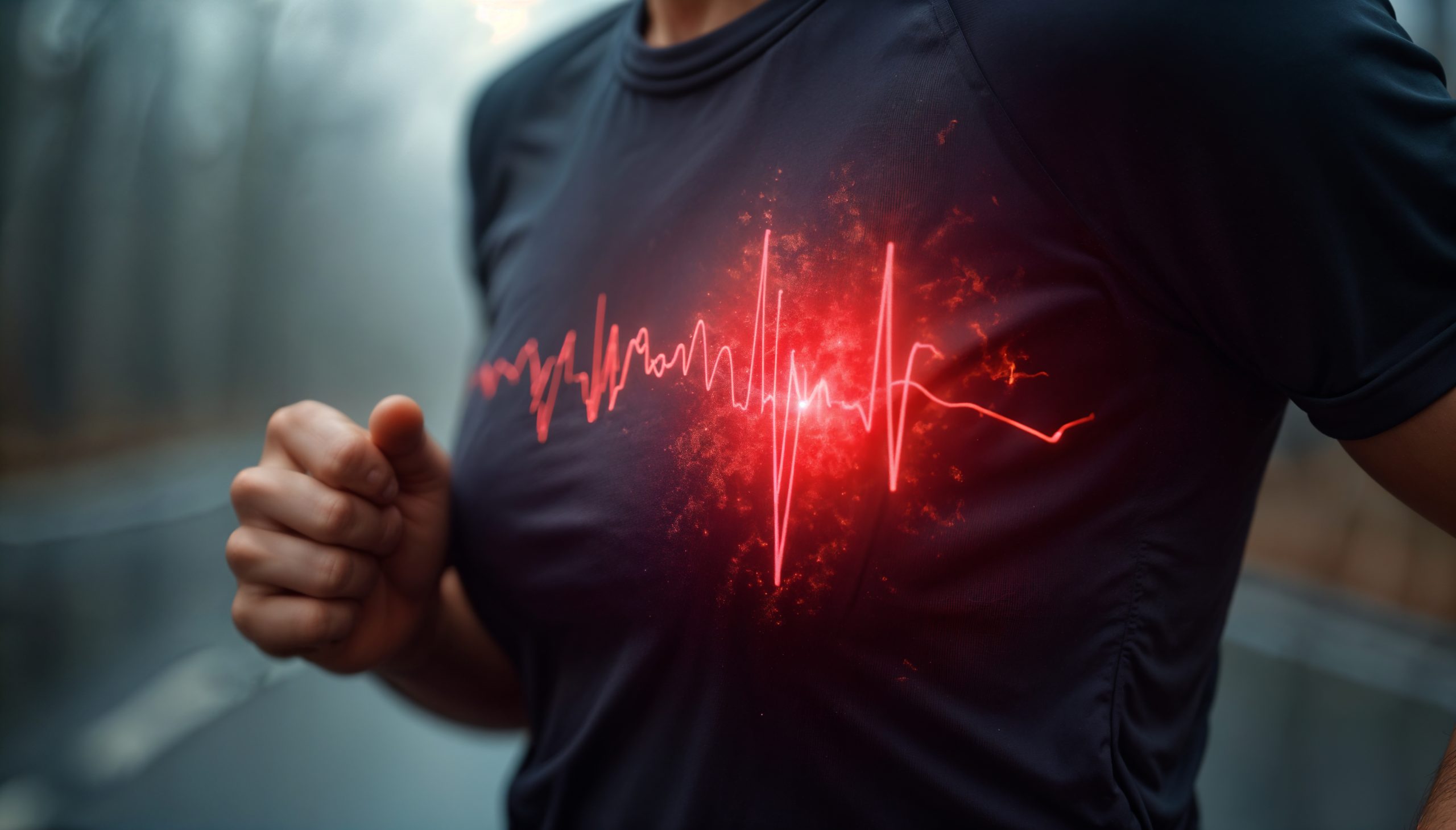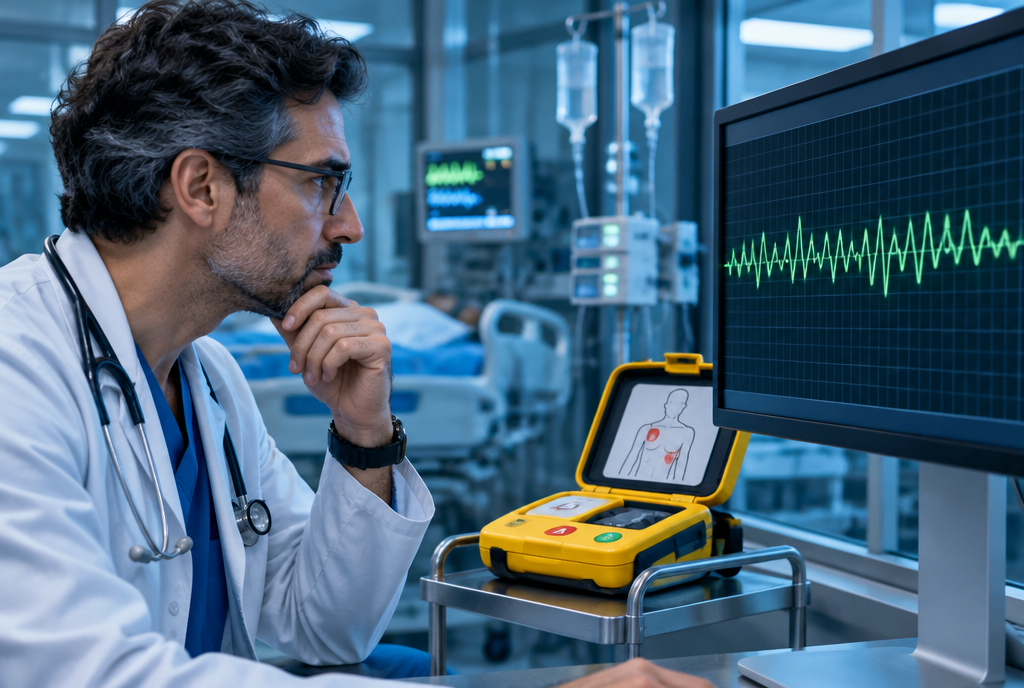
Ventricular fibrillation (VF) is a life-threatening heart rhythm disorder that prevents the heart from pumping blood effectively. It is a medical emergency that requires immediate treatment to improve survival.1
What Is Ventricular Fibrillation?
Ventricular fibrillation is a type of cardiac arrhythmia in which the heart’s lower chambers (ventricles) quiver instead of contracting normally, causing the heart to stop pumping blood effectively.1-3
Key facts:
- It is a medical emergency.
- It can lead to sudden cardiac arrest within minutes.
- Immediate CPR and defibrillation are critical for survival.
Symptoms of Ventricular Fibrillation
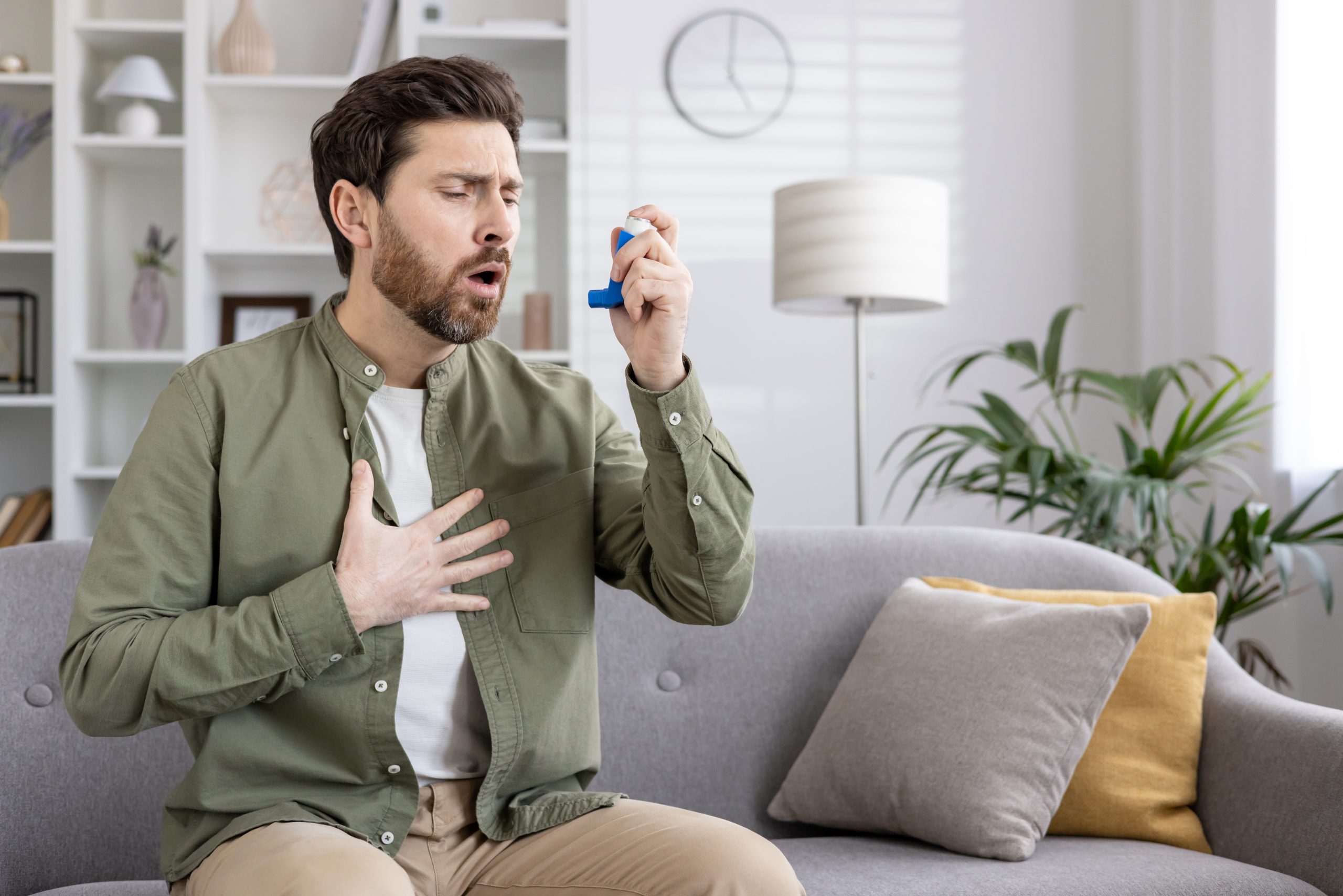
Symptoms that may occur before or during VF include:3
- Chest pain (angina).
- Dizziness or lightheadedness.
- Nausea
- Racing or erratic pulse (including other types of arrhythmia).
- Heart palpitations (where you become unpleasantly aware of your own heartbeat).
- Shortness of breath.
- Someone who has this condition will collapse with little or no warning and won’t respond or react when you try to wake them. They’ll also gasp for breath or stop breathing.
In many cases, VF begins suddenly without much warning.
What Causes Ventricular Fibrillation?
Ventricular fibrillation is caused by either:1,2
- A problem in the heart’s electrical properties
- A disruption of the blood supply to the heart muscle
- Damage to the heart muscle (from a heart attack, for example)
- Cardiomyopathy (a disease of the heart muscle)
- Problems with the aorta
- Drug toxicity
- Sepsis (severe body infection)
- Electrocution accidents or injury to the heart
- Heart attack or angina
- Congenital heart disease
- Heart surgery
- Sudden cardiac death from a sudden blow to the area directly over the heart
- Very high or very low potassium levels in the blood
Risk Factors for Ventricular Fibrillation
- A previous episode of ventricular fibrillation
- A previous heart attack
- A heart problem present at birth (congenital heart defect)
- Heart muscle disease (cardiomyopathy)
- Injuries that cause damage to the heart muscle, such as being struck by lightning
- Certain medicines that affect heart function
- Electrolyte imbalance
How Is Ventricular Fibrillation Diagnosed?
Because V-fib usually elicits a loss of consciousness, it’s often diagnosed in an acute emergency. To diagnose V-fib, your healthcare provider (often emergency services) will consider:4
- Your vital signs, such as your blood pressure and pulse
- Heart rhythm analysis, such as an electrocardiogram (ECG), cardiac telemetry monitoring, or automatic external defibrillator (AED)
- Your overall health and medical history
- A description of your symptoms that you, a loved one, or a bystander provide
Emergency Treatment for Ventricular Fibrillation
Immediate CPR
- CPR keeps blood flow normally until the heart function can be restored. For an unresponsive person: call ambulance, place on speaker, and begin chest compressions (100–120/min). Follow operator guidance and continue until emergency services arrive.3
Defibrillation
- An AED delivers an electric shock to restore the heart’s normal rhythm. These devices are available in many public places and require little to no training. If one is nearby, turn it on and follow the voice prompts the emergency operator can also guide you through the process.3
Long-Term Treatment and Prevention
- Antiarrhythmic medications: These medications help keep your heart rhythm normal.3
- Implanted device: Most people who survive ventricular fibrillation will need a provider to place an implantable cardioverter defibrillator (ICD). This device can detect arrhythmias and deliver an electric shock to restore your heart to a normal rhythm. These devices are almost always permanent.3
Ventricular fibrillation should always be treated as a medical emergency requiring immediate emergency services.1
Conclusion
Ventricular fibrillation is one of the most serious cardiac emergencies and can rapidly become fatal without immediate treatment. Early recognition, prompt CPR, rapid defibrillation, and appropriate long-term management significantly improve survival and reduce the risk of recurrence.1-4
References
-
Mayo Clinic Staff (2022) Ventricular fibrillation – Symptoms & causes. Mayo Clinic. Available at: https://www.mayoclinic.org/diseases-conditions/ventricular-fibrillation/symptoms-causes/syc-20364523 (Accessed: 13 July 2026).
-
American Heart Association (2024) Ventricular fibrillation. American Heart Association. Available at: https://www.heart.org/en/health-topics/arrhythmia/about-arrhythmia/ventricular-fibrillation (Accessed: 13 July 2026).
-
Cleveland Clinic (2024) Ventricular fibrillation (V-fib): Symptoms & treatment. Cleveland Clinic. Available at: https://my.clevelandclinic.org/health/diseases/21878-ventricular-fibrillation (Accessed: 13 July 2026).
-
Johns Hopkins Medicine (no date) Ventricular fibrillation. Johns Hopkins Medicine. Available at: https://www.hopkinsmedicine.org/health/conditions-and-diseases/ventricular-fibrillation (Accessed: 13 July 2026).