Common Causes of Heart Palpitations (Quick Answer Section)
The most common causes include:
- Stress and anxiety
- Caffeine intake
- Smoking or nicotine
- strenuous exercise
- Lack of sleep
- Hormonal changes (pregnancy, menstruation)
- Dehydration
Medical causes may include:
- Arrhythmias (irregular heart rhythm)
- Anemia
- Thyroid disorders
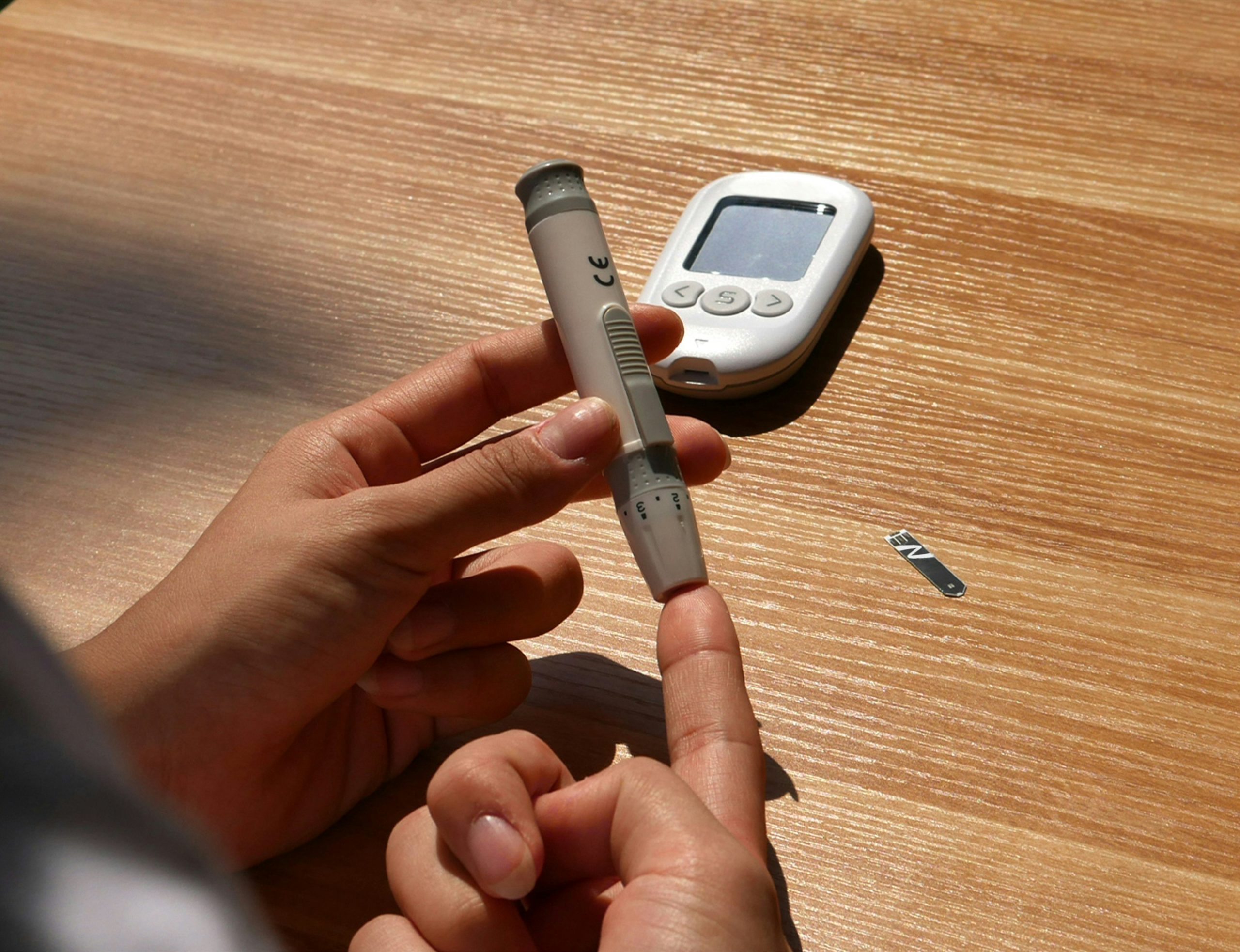
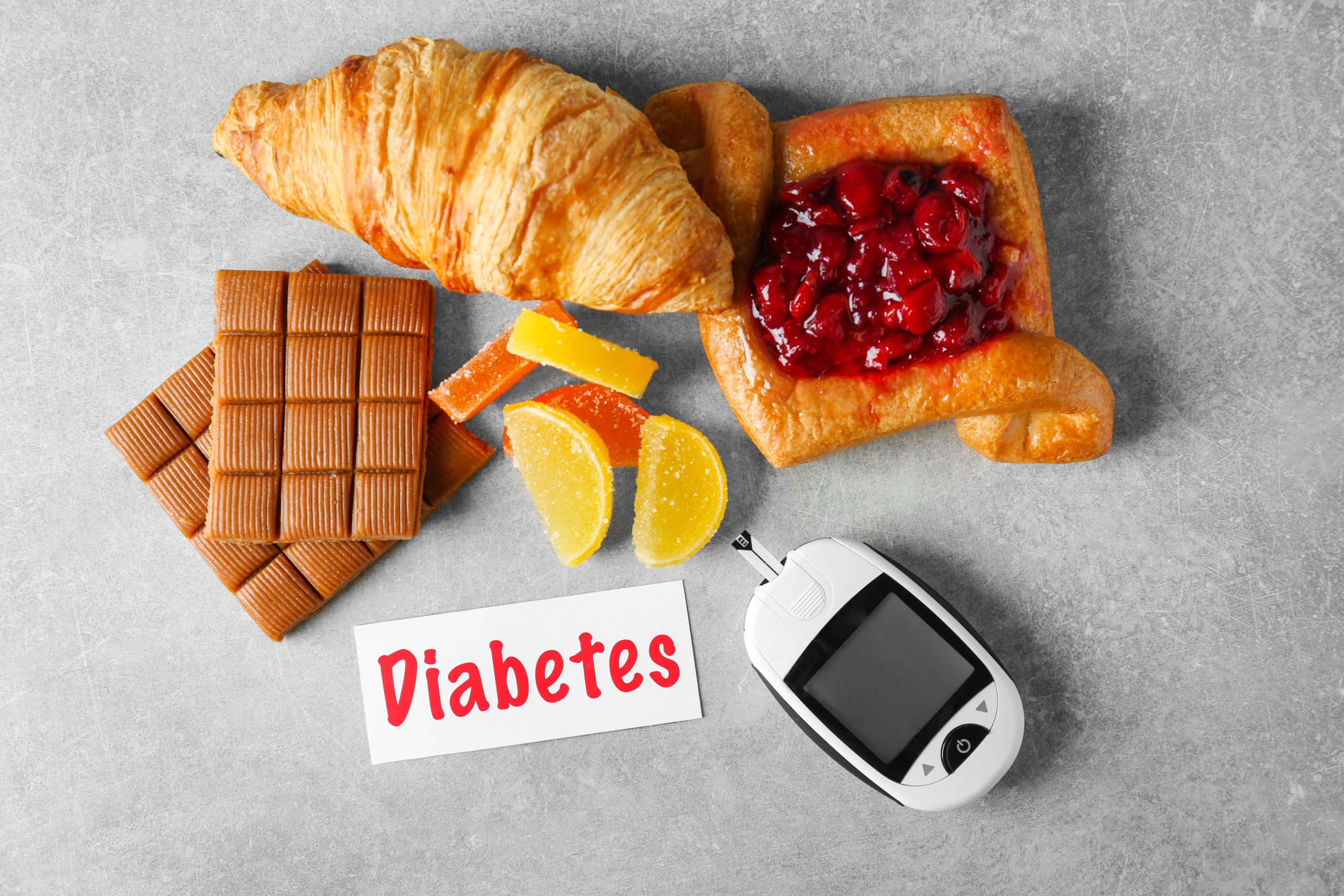
- Low blood sugar
- Heart disease
What Are Heart Palpitations?
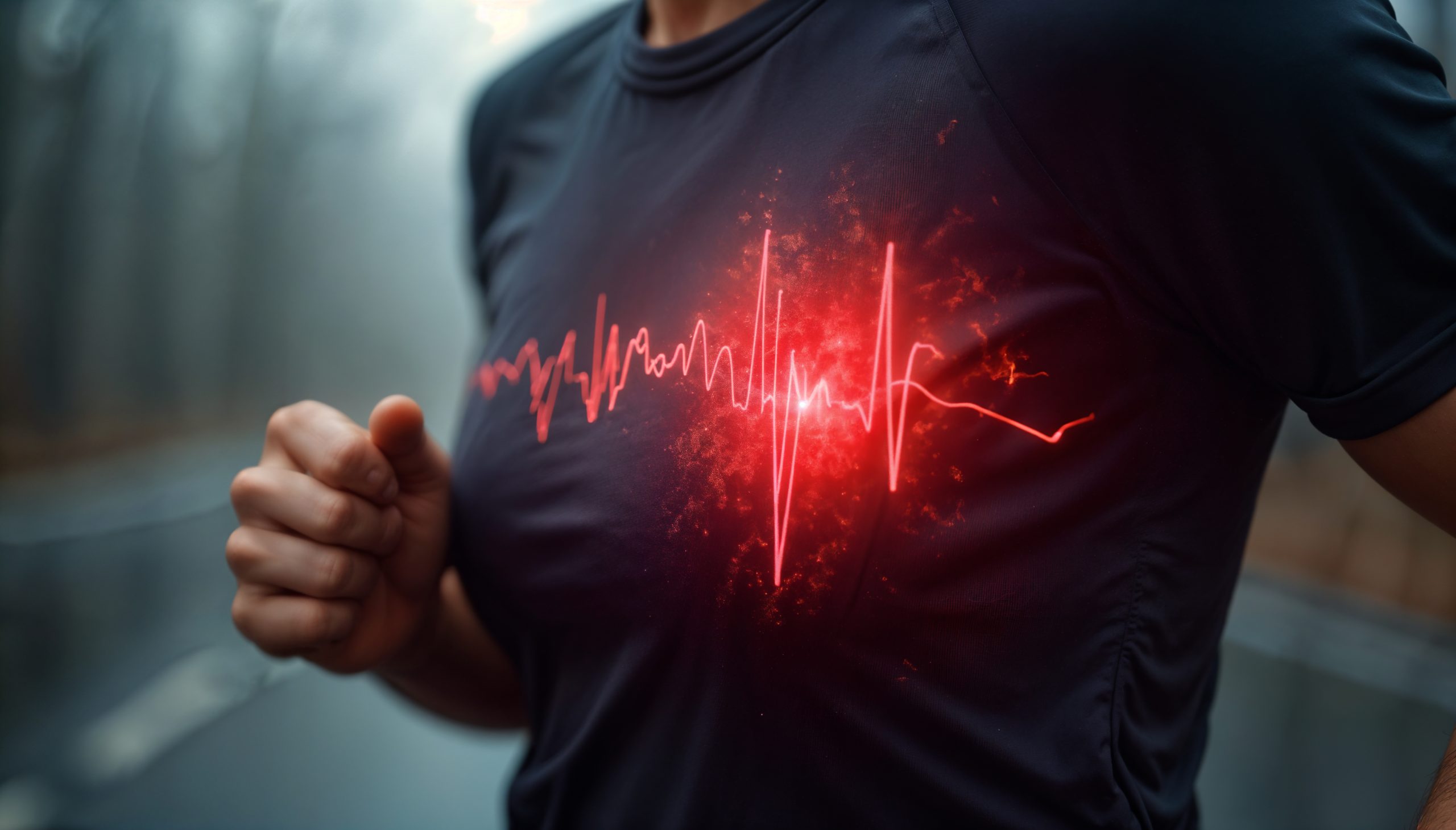
Heart palpitations refer to the sensation of a fast, fluttering, or pounding heartbeat.
- They can occur at rest or during physical activity
- Episodes may last from a few seconds to several minutes
- Some people describe them as a “skipping” or “racing” feeling
Causes of Heart Palpitations Explained in Detail
Lifestyle-Related Causes
- Caffeine and stimulants: Increase heart rate by stimulating the nervous system
- Stress and anxiety: Trigger the release of adrenaline, which speeds up the heart
- Sleep deprivation: Disrupts normal heart rhythm and recovery processes
Hormonal Causes
Hormonal fluctuations can influence heart rhythm:
- Common during pregnancy
- Occur around menstruation or menopause
When Are Heart Palpitations Dangerous?
Heart palpitations may require urgent evaluation if they occur with:
- Chest pain
- Shortness of breath
- Dizziness or fainting
- Frequent or prolonged episodes
These symptoms may indicate a more serious cardiovascular issue.
How to Reduce Heart Palpitations
- Reduce caffeine and stimulant intake
- Practice stress management techniques
Small lifestyle adjustments can help reduce symptoms.
When to See a Doctor
Medical consultation is recommended if:
- Palpitations occur frequently
- Symptoms are accompanied by warning signs
Possible diagnostic tests include:
- Electrocardiogram (ECG)
- Holter monitor (24-hour heart rhythm tracking)
- Blood tests
Who Is More Likely to Experience Palpitations?
- Individuals under stress
- People consuming large amounts of caffeine
- Patients with thyroid conditions
- Those with existing heart disease
Finally
Heart palpitations are often harmless and temporary. However, persistent or severe symptoms should not be ignored. Identifying the underlying cause is essential for effective management and prevention.
References
- https://www.healthpartners.com/blog/heart-palpitations/
- https://kidshealth.org/en/teens/hypoglycemia.html
- https://shcs.ucdavis.edu/health-topic/stimulants
- https://www.mayoclinic.org/healthy-lifestyle/stress-management/in-depth/stress/art-20046037
- https://www.sleepfoundation.org/sleep-deprivation/how-sleep-deprivation-affects-your-heart
- https://www.nhs.uk/conditions/heart-palpitations/
- https://medlineplus.gov/ency/article/003081.htm
- https://my.clevelandclinic.org/health/diseases/17084-heart-palpitations
FAQ Schema
What causes heart palpitations at rest?
Common causes include stress, caffeine, dehydration, or underlying conditions like arrhythmias.
Are heart palpitations dangerous?
They are usually harmless but can be serious if accompanied by chest pain, dizziness, or shortness of breath.
Can anxiety cause heart palpitations?
Yes, anxiety triggers adrenaline release, which can increase heart rate and cause palpitations.
How can I stop heart palpitations quickly?
Reducing caffeine and practicing relaxation techniques can help manage symptoms