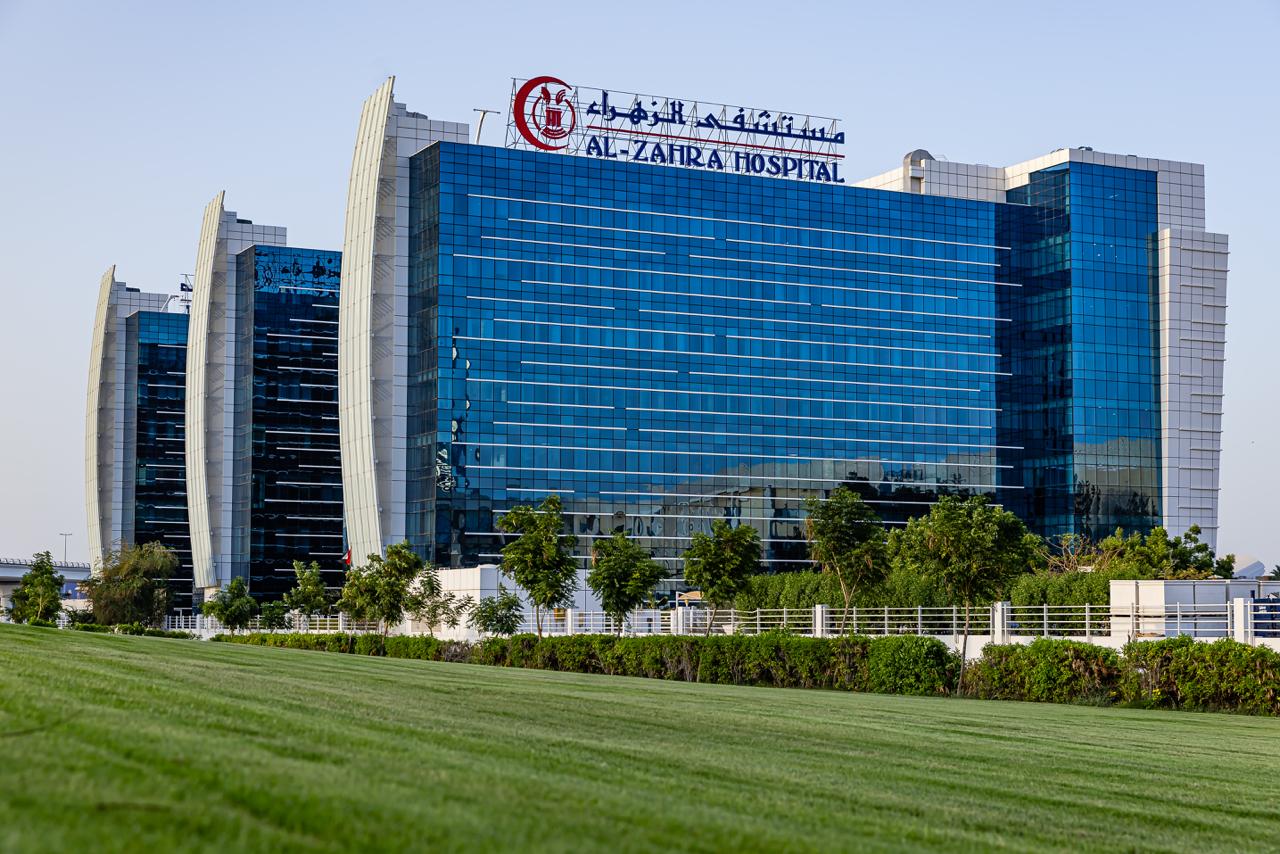
Al Zahra Hospital Dubai Establishes Dubai’s First Dedicated, Clinically Integrated Fetal MRI Service
Al Zahra Hospital Dubai has established Dubai’s first dedicated, clinically integrated fetal MRI service, bringing together advanced fetal imaging, maternal fetal medicine expertise, specialist radiology, and coordinated perinatal care within one comprehensive clinical pathway.
Developed over the past two years, the service is led by Dr. Samina Dornan, Consultant in Maternal Fetal Medicine and Obstetrics & Gynaecology, in close collaboration with Professor Ayman Ismail Kamel, Head of the Radiology Department, and Dr. Karim Azzam, Specialist Radiologist.
The service is now fully operational and receiving referrals from across the UAE, neighbouring countries, and the wider region.
Advanced Fetal Imaging Supporting More Accurate Diagnosis
Fetal MRI is used alongside expert fetal ultrasound when additional anatomical detail is required to better understand a suspected abnormality, assess its extent, or support clinical decision-making.
Dr. Samina Dornan’s experience in fetal MRI includes her involvement as Belfast Site Principal Investigator in the landmark MERIDIAN multicentre study in the United Kingdom.
The study demonstrated the additional diagnostic value of fetal MRI in suspected fetal brain abnormalities, with diagnostic accuracy increasing from 68% with ultrasound alone to 93% when in-utero MRI was added.
This experience contributed to the development of a dedicated and integrated fetal MRI pathway at Al Zahra Hospital Dubai.
Specialist Radiology Expertise
Professor Ayman Ismail Kamel, Head of Radiology at Al Zahra Hospital Dubai, brings more than 30 years of experience in diagnostic and interventional radiology and provides senior radiological leadership to the service.
Dr. Karim Azzam brings more than 11 years of experience in fetal anomaly imaging, including specialist training and research in fetal medicine and extensive clinical experience across the Middle East and UAE.
The hospital’s fetal MRI expertise is further supported through collaborative discussions of complex fetal cases with specialists at Texas Children’s Hospital.
Specialist Report Within 72 Hours
One of the key benefits of Al Zahra Hospital Dubai’s integrated fetal MRI pathway is its speed and coordination.
Patients can usually undergo fetal MRI and receive a completed specialist report within 72 hours, helping clinicians and families make timely decisions regarding further investigations, pregnancy management, delivery planning, and neonatal care.
When Is Fetal MRI Recommended?
Fetal MRI does not replace specialist fetal ultrasound. Instead, it acts as a complementary imaging examination when more detailed information is needed.
It is particularly valuable in assessing suspected fetal brain abnormalities, including:
- Ventriculomegaly
- Abnormalities of the corpus callosum
- Posterior fossa abnormalities
- Cortical malformations
- Intracranial haemorrhage
- Congenital infections
- Neural tube defects
Fetal MRI may also provide valuable additional information relating to the fetal chest, abdomen, pelvis, head and neck, placenta, and complex multisystem conditions, particularly when ultrasound imaging is limited.
The examination does not use ionising radiation and is normally performed without contrast.
From Diagnosis to Coordinated Perinatal Care
The information obtained from fetal MRI may support decisions relating to:
- Prognostic counselling
- Genetic and infectious investigations
- Antenatal surveillance
- Assessment for fetal therapy
- Timing and location of delivery
- Neonatal resuscitation planning
- Paediatric surgical planning
- Postnatal imaging
- Parental counselling and preparation
By bringing together maternal fetal medicine, specialist radiology, neonatology, paediatric surgery, and other relevant specialties, Al Zahra Hospital Dubai provides families with a coordinated pathway extending beyond imaging alone.
The service is designed to support families from advanced prenatal diagnosis through individualised counselling, delivery planning, and coordinated neonatal and postnatal care.
References
Griffiths PD, et al. Use of MRI in the diagnosis of fetal brain abnormalities in utero (MERIDIAN): a multicentre, prospective cohort study. The Lancet. 2017;389:538–546.
Prayer D, et al. ISUOG Practice Guidelines (updated): performance of fetal magnetic resonance imaging. Ultrasound in Obstetrics & Gynaecology. 2023;61:278–287.