Paediatric Orthopaedics and Spine Care in Dubai
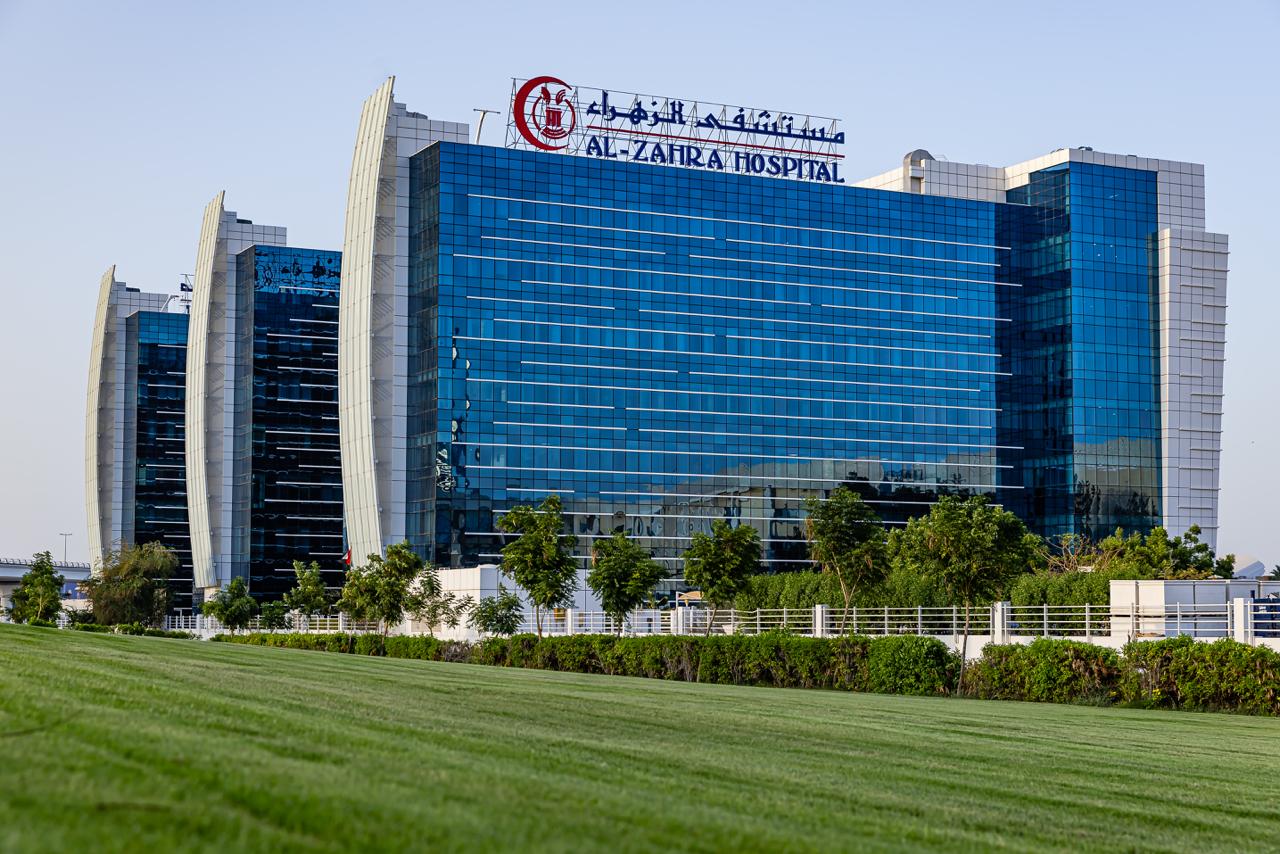
Al Zahra Hospital Dubai’s Paediatric Orthopaedics Department assesses and treats bone, joint, limb, foot, hip and spine conditions in infants, children and adolescents. Located in Al Barsha, Dubai, the service supports children with congenital conditions, growth-related deformities, neuromuscular conditions, injuries and problems following previous orthopaedic surgery.
Each plan reflects the child’s diagnosis, age, growth remaining, symptoms, mobility and previous treatment. Care may involve monitoring, non-surgical treatment, rehabilitation or surgery, depending on the condition and the findings of the clinical assessment.
Paediatric orthopaedic conditions and services
Scoliosis and paediatric spine deformities
The paediatric spine service evaluates spinal curves and deformities that begin during childhood or adolescence. Assessment considers the type of deformity, whether it is progressing, the child’s remaining growth and its effect on posture, balance, mobility and daily activities.
Conditions assessed include:
- Adolescent idiopathic scoliosis
- Early-onset scoliosis, including idiopathic, congenital and neuromuscular forms
- Congenital and Scheuermann kyphosis
- Neuromuscular spinal deformities associated with conditions such as cerebral palsy and myelomeningocele
The treatment plan is based on the individual diagnosis and may include observation, rehabilitation, another non-surgical option or surgery when clinically indicated. The team discusses the purpose, expected benefits, limitations and risks of the recommended approach with the child’s family.
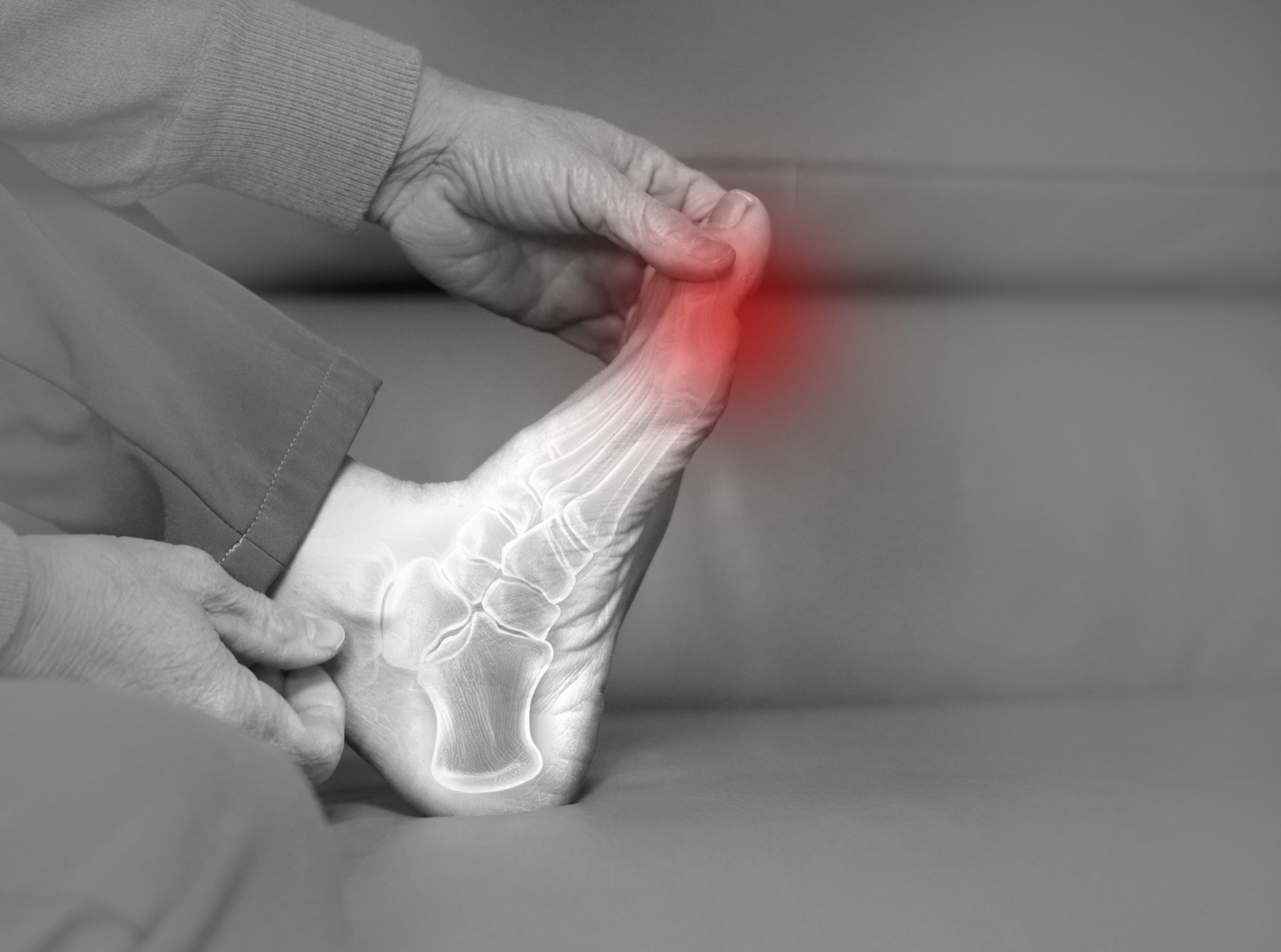
Clubfoot and other paediatric foot deformities
The department assesses congenital and acquired foot deformities that can affect alignment, footwear, walking or physical activity. Early evaluation can help the team understand whether the condition is flexible or fixed and select an age-appropriate plan.
Conditions treated include:
- Congenital talipes equinovarus, commonly known as clubfoot or CTEV
- Hallux valgus
- Cavovarus foot deformity
Treatment depends on the type and severity of the deformity, the child’s age and any previous treatment. The clinician explains whether monitoring, a non-surgical approach or corrective surgery is appropriate.
Limb deformity and limb-length correction
Children with angular limb deformity or a difference in limb length require an assessment that accounts for growth, alignment, mobility and the underlying cause. The department provides acute and gradual correction options for selected cases.
Available techniques listed by the hospital include:
- Guided growth for selected angular deformities in growing children
- Acute deformity correction
- Gradual correction using an Ilizarov external fixator
- Bone and soft-tissue procedures selected according to the deformity
The wider AZHD Orthopaedics service also lists limb-length discrepancy, bow legs and knock knees within its paediatric scope. Confirm these services with the department before adding them to on-page navigation or structured data.
Developmental and acquired hip conditions
The paediatric hip service evaluates conditions that affect the formation, alignment or blood supply of the hip joint during growth. Symptoms and examination findings vary with the child’s age, so the diagnostic pathway is selected individually.
Conditions treated include:
- Developmental dysplasia of the hip, or DDH
- Slipped capital femoral epiphysis, or SCFE
- Perthes disease
- Congenital coxa vara
Treatment planning considers the diagnosis, the child’s age, growth and hip function, as well as any previous treatment or surgery.
Orthopaedic care for children with cerebral palsy
Cerebral palsy and other neuromuscular conditions can affect muscles, joints, limb alignment, gait and the spine. Paediatric orthopaedic assessment focuses on the child’s mobility, comfort, positioning, function and care goals.
For selected children, the department lists multilevel surgery that may include tendon release or lengthening, tendon transfer and corrective bone procedures. These procedures should sit within a dedicated neuromuscular section rather than under paediatric spine deformities, because they may address several levels of the lower limbs.
Care planning may involve coordination with physiotherapy, rehabilitation and other paediatric or neurological services according to the child’s needs.
Paediatric fractures and sports injuries
AZHD’s general Orthopaedics page and the current specialist profile list paediatric fractures and paediatric sports injuries within the service scope. Children may need an orthopaedic assessment for a suspected fracture, persistent pain after an injury, difficulty bearing weight or an injury that is not recovering as expected.
Confirm the department’s current fracture-clinic pathway, age range and access route before publishing this section as a primary service card.
Complex and revision paediatric orthopaedic surgery
The department evaluates complex deformities and problems following previous paediatric orthopaedic or spine surgery. A revision assessment reviews the original diagnosis, previous procedures, current symptoms, imaging and the child’s remaining growth before another treatment plan is considered.
Not every complex case requires another operation. The purpose of the assessment is to define the current problem and explain the available options, expected benefits, limitations and risks.
How is paediatric orthopaedic care planned?
1. Child-focused clinical assessment
The consultation begins with the child’s symptoms, development, mobility, medical history, previous treatment and the family’s concerns. The clinician examines posture, gait, movement, alignment, strength and the area affected by the condition.
2. Diagnosis and imaging review
Existing reports and images are reviewed when available. The clinician may request X-rays or other investigations when they are needed to confirm the diagnosis, assess growth or plan treatment.
3. Individual treatment plan
The recommended plan reflects the diagnosis, severity, growth remaining, function and likely benefits and risks. It may include monitoring, a non-surgical option, rehabilitation or surgery.
4. Rehabilitation and follow-up during growth
Children may need follow-up as they grow, particularly when a condition can change with growth or after deformity correction. Where appropriate, the orthopaedic team coordinates rehabilitation with the hospital’s physiotherapy service to support mobility, strength and function.
Why choose Al Zahra Hospital Dubai for paediatric orthopaedic care?
- Paediatric subspecialty care: The service is dedicated to musculoskeletal and spine conditions that affect infants, children and adolescents.
- Coverage of complex conditions: The published scope includes paediatric spinal, foot, limb, hip and neuromuscular deformities.
- Revision assessment: The department evaluates selected complex cases and problems following previous surgery.
- Treatment through growth: Assessment and follow-up account for the child’s age, development and remaining growth.
- Hospital-based coordination: Imaging, surgery, physiotherapy, rehabilitation and emergency support can be coordinated within Al Zahra Hospital Dubai according to clinical need.
When should your child have a paediatric orthopaedic assessment?
Consider an assessment if your child has persistent bone, joint or limb pain, a limp, reduced movement, difficulty walking, a visible deformity, uneven shoulders or hips, a suspected difference in limb length, an unusual foot position, or a concern about spinal or limb alignment. Assessment is also appropriate for a condition noticed at birth, a growth-related change or symptoms that continue after an injury or previous operation.
Seek urgent medical care after a significant injury if the limb looks deformed, the child cannot bear weight, pain is severe, there is an open wound, or the hand or foot becomes numb, pale, blue or unusually cold. For urgent injuries, use the Emergency Department (https://azhd.ae/departments/emergency-er/) rather than the routine appointment form. AZHD states that its Emergency Department is open 24 hours a day.
Frequently asked questions about Paediatric Orthopaedics
What conditions does the Paediatric Orthopaedics Department treat?
The department treats musculoskeletal conditions affecting children’s bones, joints, limbs, feet, hips and spine. Its published scope includes scoliosis and kyphosis, clubfoot and other foot deformities, limb deformities, hip dysplasia, SCFE, Perthes disease, congenital coxa vara and deformities associated with cerebral palsy.
Does every child who visits the department need surgery?
No. The first step is a clinical assessment and diagnosis. Depending on the condition, severity and remaining growth, the plan may involve monitoring, rehabilitation or another non-surgical option. Surgery is considered when it is appropriate for the child’s diagnosis and needs.
Does Al Zahra Hospital Dubai assess scoliosis in children?
Yes. The department lists adolescent idiopathic scoliosis, early-onset scoliosis and congenital or neuromuscular spinal deformities. Treatment is planned according to the type of curve, progression, growth and clinical findings.
Are clubfoot and developmental hip dysplasia treated at AZHD?
Yes. Clubfoot and developmental dysplasia of the hip are included within the department’s published service scope. The treatment pathway depends on the child’s age, the severity of the condition and any previous care.
What is guided growth for a limb deformity?
Guided growth is a surgical technique used in selected growing children to correct an angular limb deformity gradually as the child grows. Suitability depends on the type of deformity and the amount of growth remaining.
Can the department assess a child after previous orthopaedic surgery?
Yes. The department evaluates selected complex and revision cases. The team reviews the previous diagnosis and procedures, current symptoms, imaging and remaining growth before discussing whether further treatment is appropriate.
Are paediatric fractures treated by the department?
Paediatric fractures are listed on AZHD’s general Orthopaedics page and the relevant physician profile. Confirm the current fracture pathway with the hospital before publishing this answer without qualification. Injuries requiring immediate attention should be directed to the Emergency Department.
Book a Paediatric Orthopaedics appointment
Request an appointment with Al Zahra Hospital Dubai’s Paediatric Orthopaedics team for an assessment of your child’s bone, joint, limb, foot, hip or spine condition. The hospital states that appointment requests are confirmed within 24 hours.