Al Zahra Hospital Dubai’s Neurosurgery Department assesses and provides surgical care for conditions affecting the brain, spine, spinal cord and peripheral nerves. The department’s published scope includes brain and pituitary tumours, cerebrovascular conditions, degenerative and complex spinal disorders, head and spine trauma, epilepsy, movement disorders, congenital conditions and peripheral nerve injuries. A diagnosis does not automatically mean an operation is required. The neurosurgical team reviews the symptoms, neurological examination, imaging, previous treatment and the effect of the condition on daily function before recommending monitoring, non-surgical care, referral to another specialty or surgery.
What conditions and procedures does the Neurosurgery Department cover?
Brain tumours, pituitary tumours and skull-base surgery
The department evaluates tumours and other lesions affecting the brain, pituitary region and skull base. The clinical plan depends on the type and location of the lesion, its effect on neurological or hormonal function, the patient’s general health and the findings of imaging and other specialist assessments. Published services include:
- Surgery for benign and malignant brain tumours
- Pituitary tumour surgery
- Skull-base surgery
- Stereotactic procedures, including selected diagnostic or treatment procedures
- Corrective surgery for selected congenital cranial conditions
Care for a tumour may require coordination with radiology, pathology, endocrinology, oncology or rehabilitation services. The neurosurgeon explains the aim of any proposed procedure, the expected benefits, material risks and available alternatives before treatment.
Brain aneurysms and cerebrovascular conditions
The department’s current service list includes surgical and endovascular care for selected conditions affecting blood vessels in and around the brain. These conditions require individual assessment because the appropriate pathway depends on the location, anatomy, symptoms and whether urgent treatment is needed. Services listed by AZHD include:
- Brain aneurysm surgery
- Procedures for arteriovenous malformations and dural fistulas
- Cerebral angiography
- Endovascular procedures
- Surgery for carotid artery stenosis
The hospital should confirm the responsible neurosurgical, neurointerventional, radiology and vascular teams before publication, then name the actual pathway rather than presenting every item as a single- department procedure.
Spine surgery for slipped discs, stenosis and complex conditions
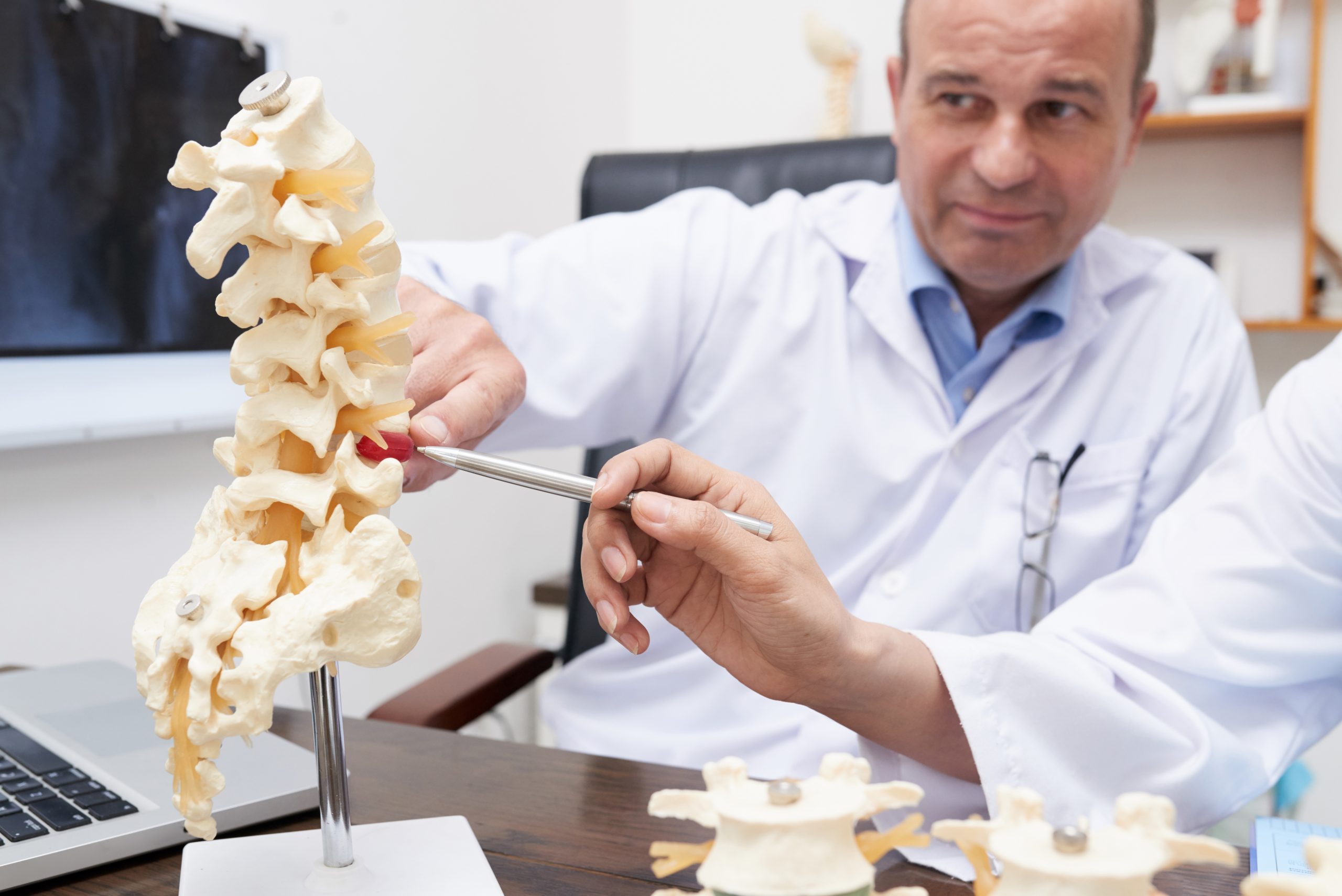
The spine service assesses neck, back and limb symptoms when a structural spinal problem may be compressing the spinal cord or nerve roots, affecting stability or limiting function. Common referral reasons include a herniated or slipped disc, spinal stenosis, sciatica, degenerative spinal conditions, spinal tumours, deformity, trauma and problems after previous surgery. Depending on the diagnosis and the patient’s needs, procedures stated across AZHD’s department and neurosurgeon pages include:
- Microscopic or endoscopic discectomy for selected disc herniations
- Decompression for selected cases of spinal stenosis or nerve compression
- Cervical, thoracic or lumbar spinal fusion when stabilisation is required
- Cervical or lumbar disc replacement for suitable patients
- Minimally invasive spine procedures
- Surgery for spinal tumours, trauma, deformity and complex revision cases
- Kyphoplasty or related vertebral procedures for selected compression fractures
Many people with neck or back pain do not need surgery. A surgical recommendation should follow a confirmed diagnosis and a discussion of suitable non-surgical options, the reason for considering an operation and the likely limits as well as benefits of treatment.
Epilepsy, movement disorders and functional neurosurgery
Functional neurosurgery targets specific neural pathways to manage selected neurological conditions after specialist assessment. The department’s published scope includes epilepsy surgery, movement- disorder surgery, stereotactic procedures and deep-brain stimulation for selected patients with Parkinson’s disease. AZHD also lists selective posterior rhizotomy. Because this procedure is used for carefully selected cases of spasticity, the final page should identify the current patient group, multidisciplinary assessment process and rehabilitation pathway rather than listing the procedure without context.
Peripheral nerve surgery
Peripheral nerve surgery may be considered for selected nerve injuries, compression or loss of function. AZHD lists peripheral nerve repair and reconstruction within the department’s scope. Evaluation should define the affected nerve, severity of injury, duration of symptoms and any previous treatment before a plan is discussed.
Head and spine trauma
The department provides surgical assessment and treatment for selected head and spinal injuries. Emergency evaluation takes priority when an injury causes loss of consciousness, a seizure, repeated vomiting, confusion, worsening headache, new weakness or numbness, or difficulty walking. Trauma care may involve emergency medicine, radiology, critical care and rehabilitation as well as neurosurgery. Routine appointment forms should not be used for an active emergency.
Paediatric neurosurgery and congenital conditions
Current AZHD neurosurgeon profiles include paediatric neurosurgery, congenital conditions and treatment of hydrocephalus within their areas of practice. Confirm the department’s current age range, referral pathway, paediatric intensive-care support and the specific procedures offered before publishing this section as an active service.
How is a neurosurgical treatment plan developed?
1. Consultation and neurological assessment
The neurosurgeon reviews the main symptoms, how they have changed, medical history, medicines, previous surgery and the effect on movement, sensation, balance, speech or daily activity. Patients seeking a second opinion should bring previous reports, images and operative notes where available.
2. Review of imaging and diagnostic tests
The team reviews relevant MRI, CT or X-ray images rather than relying only on the written report. Depending on the condition, further imaging, cerebral angiography, neurophysiology testing, laboratory tests or specialist assessment may be required.
3. Individual treatment recommendation
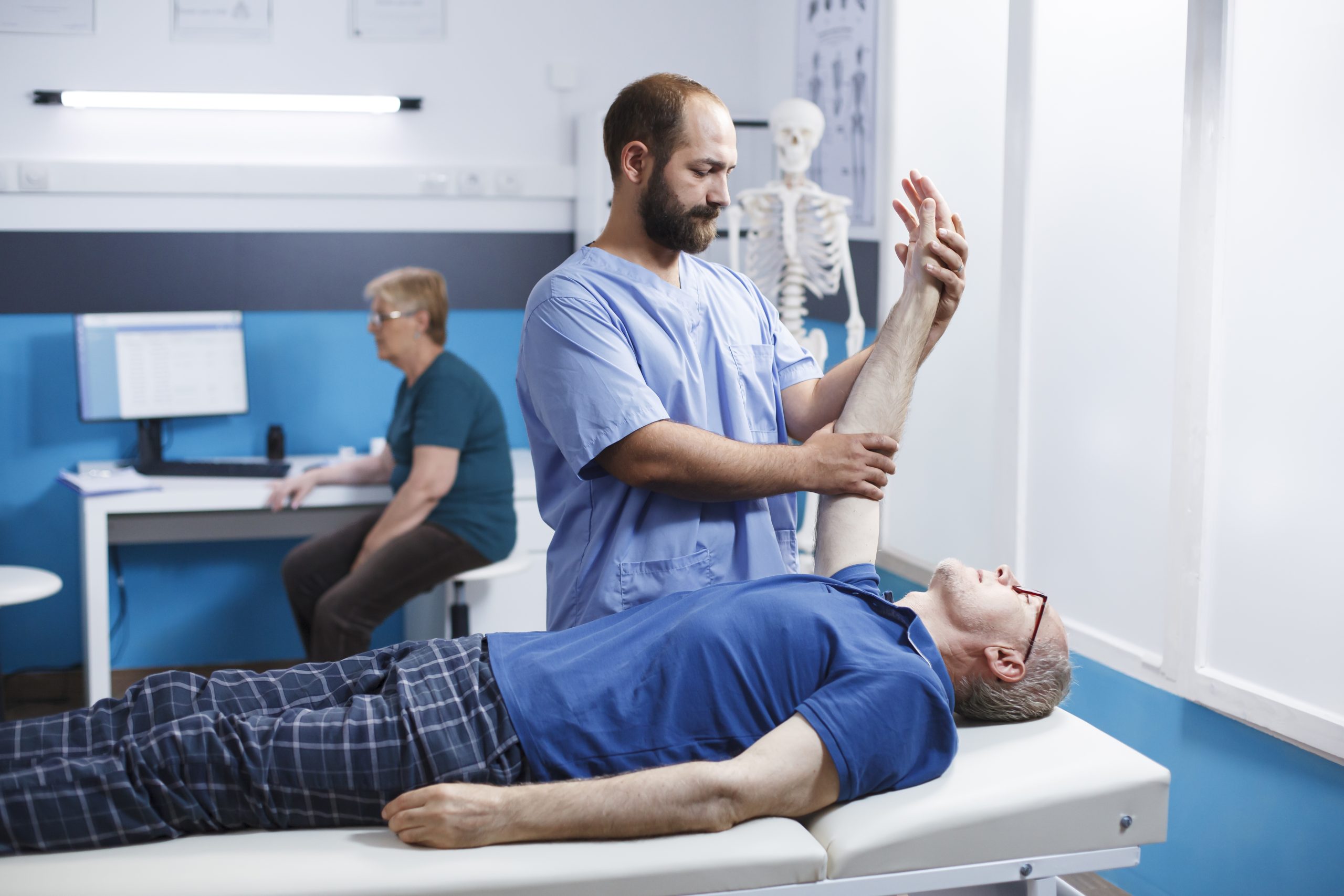
The plan may include observation, medicines managed by the appropriate specialty, physiotherapy, pain management, another non-surgical option or surgery. If an operation is considered, the discussion should cover its purpose, alternatives, material risks, expected recovery and what symptoms it may or may not improve.
4. Surgery, rehabilitation and follow-up
Postoperative care depends on the procedure and the patient’s condition. It may include inpatient monitoring, pain control, wound care, physiotherapy, neurological rehabilitation and follow-up imaging. The treating team provides individual instructions on activity, medicines, warning signs and return to work or daily routines.
Why choose Al Zahra Hospital Dubai for neurosurgical care?
- Broad neurosurgical scope: The published service covers brain, spine, cerebrovascular, functional, trauma and peripheral nerve conditions.
- Subspecialist assessment: The department includes consultants with stated experience across complex spine surgery, brain and pituitary tumours, neuroendoscopy, paediatric neurosurgery and functional procedures.
- Access to related hospital services: Diagnostic imaging, Neurology, Emergency care, Physiotherapy and the Cancer Center can support the pathway when clinically required. Confirm the exact multidisciplinary arrangements before publication.
- Case-specific planning: The content should explain why a treatment is being considered and present appropriate non-surgical or referral options instead of implying that every consultation leads to surgery.
- Assessment of complex cases: Existing scans, reports and previous operative records can support evaluation of complex cases or a second opinion. Confirm the department’s current second-opinion process before turning this into a booking promise.
When should someone seek urgent medical care?
Call UAE Ambulance on 998 or go to the nearest Emergency Department immediately for sudden face, arm or leg weakness, difficulty speaking, sudden loss of balance, a sudden severe unexplained headache, new loss of consciousness, a seizure after a head injury, rapidly worsening limb weakness, or new loss of bladder or bowel control with numbness around the groin or inner thighs. For urgent neurological or neurosurgical symptoms, use the AZHD Emergency Department (https://azhd.ae/departments/emergency-er/) rather than the routine appointment form. AZHD states that its Emergency Department is open 24 hours.
Frequently asked questions about Neurosurgery
What is the difference between Neurology and Neurosurgery?
Neurology focuses mainly on diagnosing and medically managing conditions of the brain, spinal cord, nerves and muscles. Neurosurgery assesses conditions that may require an operation or another neurosurgical procedure, while also helping determine when surgery is not appropriate. Some patients need both specialties involved in the same pathway.
Does back pain always require a spine operation?
No. Many people improve with treatment that does not involve surgery. A neurosurgical assessment may be appropriate when symptoms are severe or persistent, imaging shows a relevant structural problem, there is progressive weakness or numbness, or previous treatment has not provided sufficient relief. The decision depends on the diagnosis and the patient’s circumstances.
Which records should I bring to a Neurosurgery appointment?
Bring available MRI, CT or X-ray images and reports, a current medicine list, previous clinic letters and any operative or pathology reports related to the condition. Actual imaging files are often more useful than the written report alone.
Can I request a second opinion before brain or spine surgery?
A second-opinion consultation can review the diagnosis, available images, previous treatment and the proposed procedure. Confirm availability and document requirements with the department when booking, especially after previous surgery or for a complex condition.
Does a consultation with a neurosurgeon mean that I will need surgery?
No. The purpose of the assessment is to identify the cause of symptoms and determine the most suitable pathway. The recommendation may be monitoring, non-surgical treatment, referral to another specialty or an operation when the expected benefit justifies the risk.
Does the department treat brain and spinal tumours?
AZHD lists brain tumours, pituitary tumours and spinal tumours within its neurosurgical scope. The pathway may involve imaging, pathology, oncology, endocrinology or rehabilitation according to the tumour type and location. The department should confirm the current tumour-board and referral process before publication.
Book a Neurosurgery consultation
Request an appointment with the Neurosurgery Department at Al Zahra Hospital Dubai for assessment of a brain, spine, spinal cord or peripheral nerve condition. Bring previous scans and reports where available so the team can review the clinical history and available evidence.
Emergency line: For a medical emergency in the UAE, call Ambulance on 998. You may also contact AZHD on +971 4 378 6666 for hospital directions and information.